
If you’ve flown through Washington Dulles International Airport lately, you already know the drill: you land, you board one of those slow-moving mobile lounges, and you wonder why an airport built for the jet age still feels stuck in it. That’s about to change. The Metropolitan Washington Airports Authority and United Airlines have announced a landmark transformation of Dulles, backed by a capital investment program of more than $20 billion, one of the largest airport overhauls in the country.
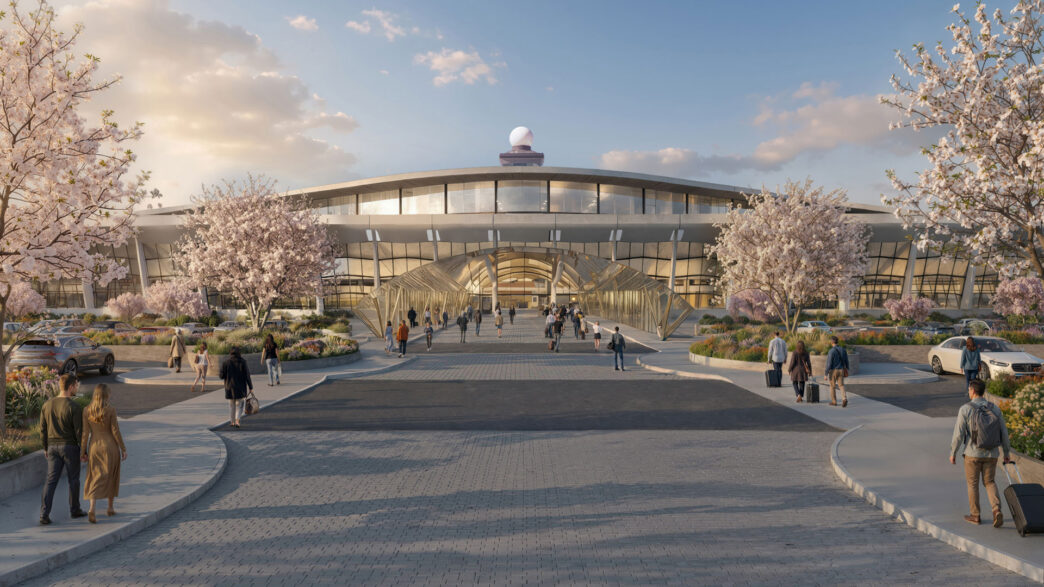
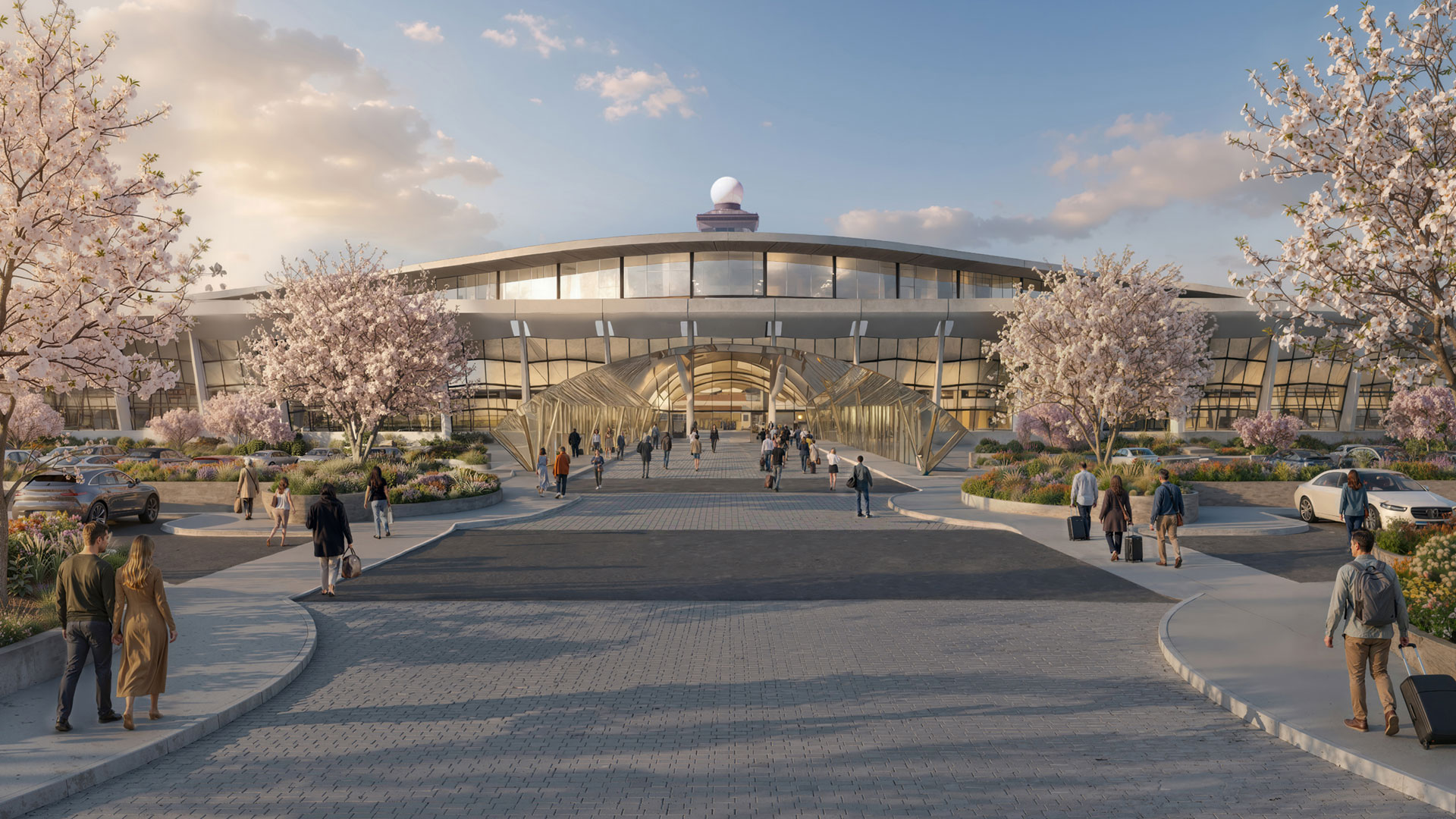
The project will unfold over the next decade, reshaping Dulles into what officials are calling a modern, world-class gateway for the nation’s capital, all while preserving the iconic Main Terminal designed by architect Eero Saarinen. That’s a detail worth celebrating on its own. Saarinen’s soaring terminal roof is one of the most recognizable pieces of airport architecture in America, and keeping it intact while modernizing everything around it strikes a nice balance between honoring the past and building for the future.
United CEO Scott Kirby framed the project as a natural next step for a hub the airline has steadily invested in for years, calling Dulles the gateway connecting the nation’s capital to the world. Airports Authority President and CEO Jack Potter echoed that sentiment, noting the plan builds on the long-running Dulles Master Plan developed with airline partners.
Transforming the Dulles Customer Experience
Dulles’ transformation will bring major traveler-focused upgrades across the entire airport experience, including:
- Enhanced entry into the airport, close-in parking facilities, state-of-the-art check-in areas and more efficient security screening for an easier start to the journey;
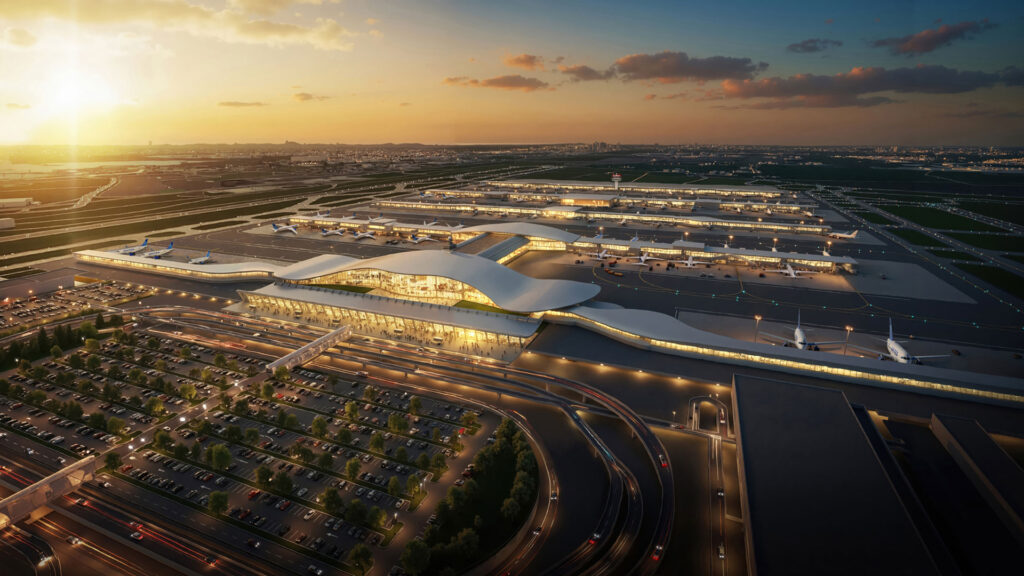
- New and modernized concourses, including replacing the current C/D Concourse, with facilities that will support more and larger aircraft to fly to more destinations around the world;
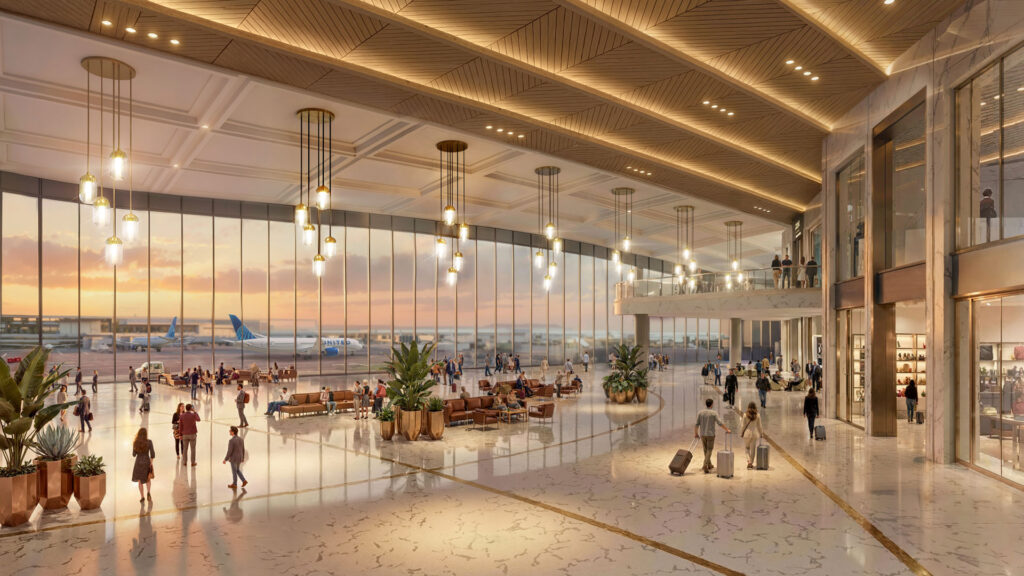
- Additional gates that will give travelers more spacious, comfortable seating areas, dedicated work areas and amenities in bright, expansive settings;
- New AeroTrain connections and enhanced walkability, including a central walking tunnel, will make it easier for travelers to move between the terminal, concourses and gates to allow replacement of mobile lounges;
- A walkable path to a new, large U.S. Customs facility and improvements designed to make the international arrival experience easier;
- Improved baggage handling systems designed to help travelers get their luggage faster; and
- Additional concessions and airport lounges, including more United Club space and plans for one of the largest United Polaris lounges in the world.
For anyone who has ever waited on a mobile lounge wondering if it might just take off and become a plane itself, the AeroTrain expansion is probably the headline item here. Retiring those shuttles in favor of a proper train connection between terminal, concourses and gates is a change that will make a real difference for everyday travelers, not just an upgrade for the brochure.
A Decade-Long Project, With Work Already Underway
This transformation follows a December 2025 request for information from the U.S. Department of Transportation, which sought proposals to modernize the airport and position it for future growth. More than 30 proposals were submitted in response, and the resulting construction program builds on a capital improvement effort already underway as part of the Airports Authority’s Master Plan.
The $20 billion figure marks a significant jump from the $7 billion previously allocated for Dulles modernization, and much of the financing will come through municipal bonds, which carry lower interest rates than those available to private firms.
Some of the work is already visible. Later this year, a new Concourse E is set to open with 14 additional United gates, giving the airline more room to grow its international network. The new concourse will also connect directly to the AeroTrain system and debut new passenger lounges, a preview of the bigger changes to come.
For travelers who rely on Dulles as a gateway to and from Washington, D.C., this is a project worth watching. A full decade is a long runway, but if even a portion of these upgrades land the way they’re described, from the walkable customs path to the expanded United Polaris lounge, Dulles could go from an airport people tolerate to one people actually look forward to flying through.